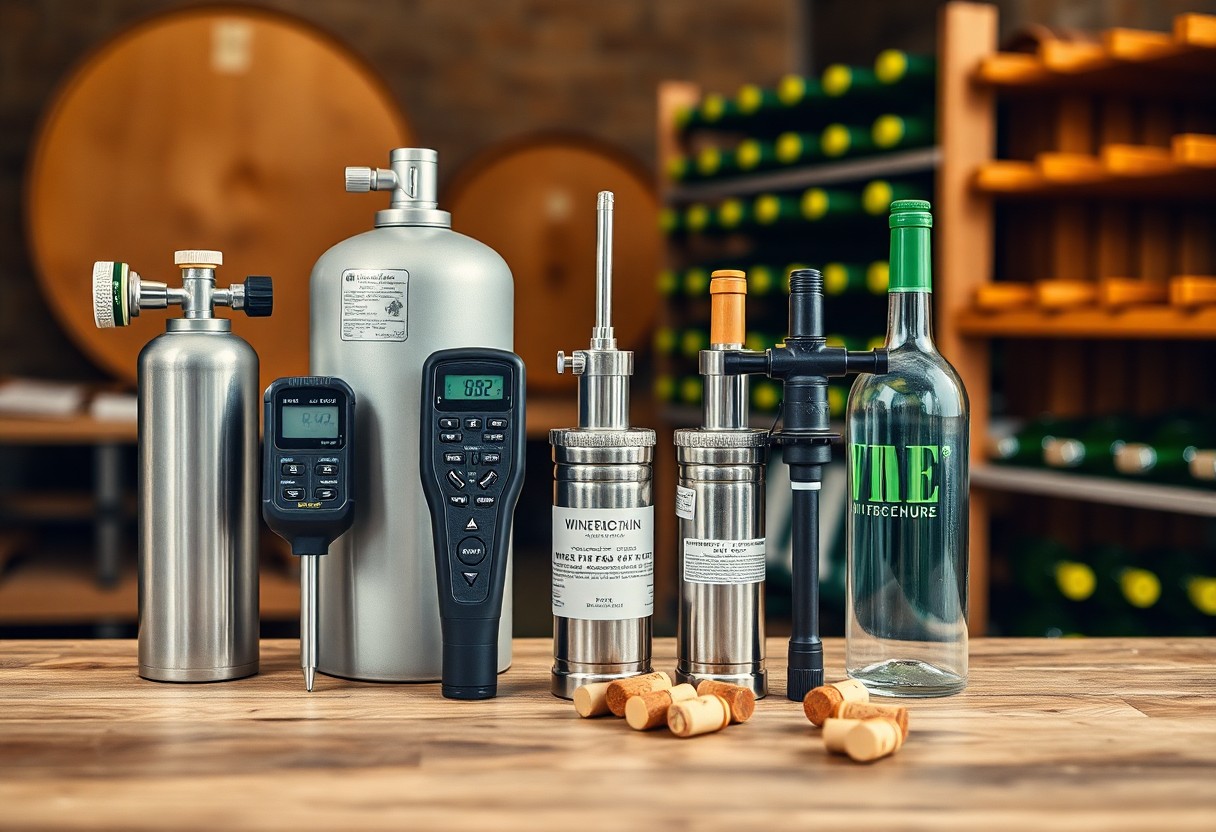
Just one oversight in your storage or bottling process can expose your wine to dangerous oxidation or microbial spoilage. You need the right tools to preserve flavor, aroma, and stability. Using inert gas systems, quality corks, pH meters, stainless steel tanks, and precise hydrometers ensures your wine remains consistent and market-ready.
Key Takeaways:
- Temperature-controlled storage units are crucial for preventing chemical degradation and preserving the flavor profile of wine during aging.
- High-quality corks or alternative closures help maintain a proper seal, minimizing oxidation and microbial contamination in bottled wine.
- Sanitized tanks, hoses, and bottling equipment reduce the risk of spoilage organisms compromising wine quality during transfer and packaging.
The Shield of Dark Glass
Dark glass bottles stand between your wine and irreversible damage. Ultraviolet light triggers chemical reactions that degrade aromas and create off-flavors, a flaw known as light strike. By filtering harmful rays, amber and green glass preserve sensory integrity from cellar to cork.
Light Strike Prevention
You protect your wine’s freshness every time you choose tinted glass. Clear bottles expose wine to light damage within hours, especially under fluorescent or direct sunlight. Dark glass blocks up to 90% of UV radiation, preventing skunky, wet-cardboard notes before the first pour.
Structural Reliability
Strength in the bottle wall ensures safety during transport and long aging. Thin or flawed glass risks cracks, leaks, or spontaneous breakage, especially under pressure from sparkling wines. Consistent thickness and high manufacturing standards keep your product intact and market-ready.
Every bottle must endure pressure, temperature shifts, and stacking stress without compromise. Imperfections in glass formation create weak points that can fail silently, leading to total product loss or safety hazards. You rely on rigorously tested bottles to maintain both quality and consumer trust over years in storage.
The Natural Bark Cork
You rely on natural bark cork for its unmatched ability to preserve wine over time. Sourced from the cork oak tree, it offers a sustainable, renewable seal that interacts gently with the contents of the bottle. Its unique cellular structure supports slow aging, ensuring your wine evolves properly in the bottle.
Elasticity and Fit
Elasticity ensures the cork conforms tightly to the neck of the bottle, creating an airtight seal. This snug fit prevents leakage and limits unwanted oxygen exposure. Even slight gaps can spoil your wine, so choosing corks with consistent resilience is imperative for long-term storage success.
Micro-oxygenation Process
Micro-oxygenation allows minute amounts of oxygen to interact with the wine over time, mimicking the effect of traditional barrel aging. This subtle exchange enhances complexity and softens tannins, improving mouthfeel and flavor stability. You benefit from greater control over the aging process without risking oxidation.
Oxygen enters through the cork’s porous structure in controlled, almost imperceptible amounts. This process supports the polymerization of phenolic compounds, which stabilizes color and refines aroma. Too much oxygen leads to spoilage, but the right balance transforms good wine into exceptional wine. Your choice of natural cork directly influences this delicate equilibrium, making it a powerful ally in aging.
Sulfur Dioxide Additions
You rely on sulfur dioxide to protect your wine’s integrity from spoilage. Correct dosing prevents microbial growth and oxidation, preserving freshness and aroma. Too little leaves wine vulnerable; too much risks harsh sensory effects and legal violations. Monitor free SO₂ levels regularly, adjusting for pH and wine stage.
Microbial Stability
You achieve microbial stability by inhibiting unwanted yeast and bacteria. Sulfur dioxide is your primary defense, but proper sanitation and controlled fermentation also play key roles. Unchecked microbes can cause off-flavors, haze, or refermentation in the bottle-risks you can’t afford post-bottling.
Oxidation Defense
You must guard against oxidation from the moment fermentation ends. Exposure to oxygen degrades color, flattens aromas, and produces stale, nutty notes. Timely SO₂ additions, inert gas blanketing, and tight seals during storage form your frontline protection.
Oxidation doesn’t always announce itself immediately, but its damage is permanent and cumulative. Every racking, transfer, or poorly sealed container introduces risk. Use nitrogen or argon to displace oxygen in tanks and barrels, and maintain adequate free SO₂ tailored to your wine’s pH. White and rosé wines, with less natural protection, demand even stricter protocols. Your attention here directly determines how long your wine ages with grace.
Inert Argon Gas
Argon gas shields your wine from oxidation during storage and bottling. This dense, inert gas settles over the wine’s surface, creating a protective barrier. You’ll rely on it to preserve freshness, aroma, and flavor by limiting exposure to damaging oxygen.
Oxygen Displacement
Displacing oxygen with argon in tanks and bottles stops premature aging. Without this step, oxidation can ruin delicate varietals in days. You inject argon to push out air, ensuring a stable environment every time you transfer or store wine.
Surface Protection
Protecting the wine’s surface with argon prevents spoilage during headspace storage. Each time you leave wine in a partially filled container, exposure to air threatens its integrity. You maintain quality by blanketing the surface with argon after every use.
Surface Protection goes beyond simple gas application-it’s about consistency. Every time you open a carboy or barrel, oxygen enters and begins degrading your wine. By applying argon immediately after sampling or racking, you create a reliable shield. This routine habit ensures volatile aromas stay intact and microbial risks stay low, especially during long aging phases. Skipping even one application can invite off-flavors or browning, undermining months of careful work.
The Cold Watch
Temperature control defines wine’s aging journey. Even brief exposure to heat spikes can permanently damage aroma and structure. You must treat thermal stability like oxygen management-non-negotiable and constantly monitored.
Thermal Consistency
Stable temperatures prevent expansion and contraction that stress corks and invite oxidation. Fluctuations above 5°F (3°C) daily risk premature aging. You’ll protect your wine best by holding storage conditions steady between 55-58°F (13-14°C).
Data Logging
Continuous monitoring reveals hidden patterns analog thermometers miss. Digital data loggers catch dangerous spikes during power outages or system failures. You gain proof of conditions for insurance, compliance, and quality assurance.
Reliable data logging means capturing temperature every 15-30 minutes across multiple cellar zones. These records expose microclimates near walls or equipment that threaten uniformity. When auditors or buyers ask, your logs become evidence of disciplined stewardship. Choose devices with cloud alerts so you respond before minor issues become spoilage events.
Conclusion
Now you know the top five critical supplies-temperature-controlled storage, inert gases, sanitized bottling equipment, quality corks or closures, and pH monitoring tools-needed to preserve wine integrity. Your consistent use of these elements directly determines the freshness, flavor, and longevity of every bottle you produce.
FAQ
Q: What type of closure is most effective for preserving wine quality during long-term storage?
A: Natural cork has been the traditional choice for sealing wine bottles intended for aging, as it allows minimal oxygen transfer that supports slow, controlled maturation. High-quality synthetic corks and screw caps with specialized liners are also effective, especially for wines meant to be consumed within a few years. Screw caps offer consistent oxygen management and eliminate the risk of cork taint caused by TCA. The best closure depends on the wine style and aging plan, but consistency and airtight integrity are key factors in maintaining freshness and preventing oxidation.
Q: Why is temperature control so important during wine storage, and what range should be maintained?
A: Wine is sensitive to heat and temperature swings, which can accelerate aging or cause spoilage. Fluctuations expand and contract the liquid inside the bottle, potentially compromising the seal and allowing oxygen ingress. The ideal storage temperature is between 55°F and 59°F (13°C to 15°C). This range slows chemical reactions, preserves aromatic compounds, and supports balanced development. Temperatures above 70°F (21°C) risk premature aging, while frequent shifts can lead to leakage or sediment disturbance. A stable, cool environment is necessary from bottling through storage.
Q: How does sulfur dioxide (SO₂) contribute to maintaining wine stability during bottling and storage?
A: Sulfur dioxide acts as an antioxidant and antimicrobial agent, protecting wine from oxidation and unwanted microbial growth. At bottling, winemakers adjust free SO₂ levels based on the wine’s pH to ensure adequate protection during storage. Too little SO₂ increases the risk of spoilage and browning, especially in white wines. Too much can produce off-odors or affect taste. Proper dosing, combined with inert gas use during bottling, helps preserve color, aroma, and flavor over time. Regular monitoring during storage ensures the protection remains effective.